
Selling your Charleston, WV house directly may let you avoid arranging repairs before closing. That does not mean repairs disappear from the economics of the sale: a buyer may account for condition and renovation risk in the offer. Compare the complete terms before assuming you will save money.
At a glance
Make the repair decision visible
- Scope: Describe the specific work
- Cost: Collect written estimates
- Time: Include holding expenses
Before selling a house directly, build two estimates
For a repair-and-list plan, gather written estimates for the work you would actually complete. Include disposal, permits where needed, and the time involved. Ask an agent how that scope relates to recent sales of comparable homes; a renovation budget is not a guaranteed increase in selling price.
For an as-is offer, confirm what the buyer will accept and which conditions remain. Ask whether the offer can change after inspection, what items may stay, and whether any repairs or credits are required. Use the same payoff information and anticipated closing date in both comparisons.
Compare proceeds rather than promised savings
| Item | Repair and list | Direct as-is sale |
|---|---|---|
| Price | Estimated eventual selling price | Written purchase offer |
| Preparation | Repair, cleaning, staging, and disposal estimates | Any seller work required by the agreement |
| Selling costs | Negotiated compensation, credits, and closing costs | Costs and credits allocated in the agreement |
| Time | Work, marketing, and closing period | Inspection and closing period in the contract |
Subtract applicable costs, loan payoffs, and other obligations to estimate proceeds. Add a separate cash budget for the expenses of keeping the property until closing. Avoid treating loan principal paid during that period as an extra expense and then subtracting the same amount again from an unchanged payoff estimate.
An example of purchasing a house directly
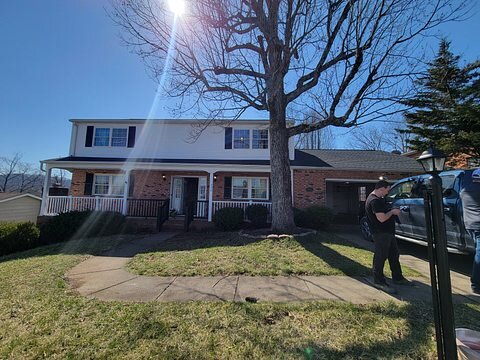
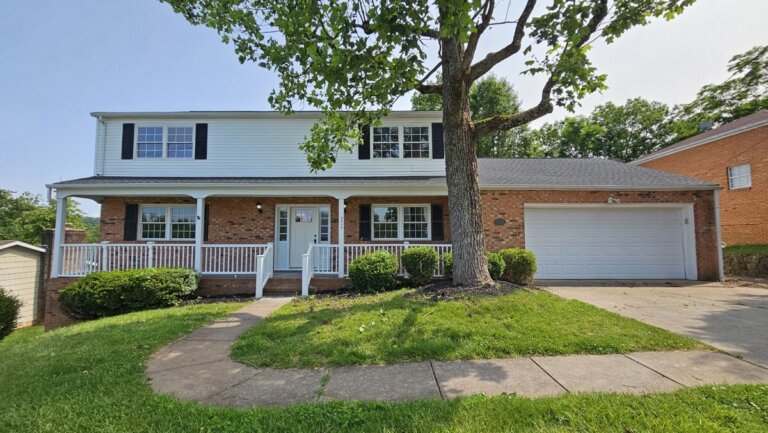
The Glow Drive case study in Cross Lanes documents a January 29, 2025 agreement acknowledging structural or foundation concerns and a March 7, 2025 purchase. The later June 13, 2025 resale followed a separate renovation project. Those are different transactions; the later sale is not the original seller’s proceeds or a promised repair return.
Get repair responsibilities in writing
Use our questions about selling a house directly and comparison for selling a house directly. Discuss known defects honestly and seek independent legal advice about disclosure or contract obligations. An as-is label does not answer every legal question.
Define the work before deciding to sell a house directly
Divide your repair list into observed problems, professional findings and optional upgrades. A stain on a ceiling is an observation; the cause and repair scope may still need investigation. A buyer and seller can disagree about the budget without either figure being a formal inspection. Label the information you have and ask what assumptions support each estimate. Photographs and invoices help establish context, but do not prove that every related issue has been resolved.
Request a written scope when considering work before a sale. Confirm the rooms, materials, disposal, access, expected duration and items excluded from the quote. An estimate for cosmetic finishing is not a budget for an unresolved structural problem. If you cannot safely inspect an area, use qualified help rather than entering it just to obtain a photograph.
Use a clearly labeled planning example
Imagine a homeowner comparing a $9,000 repair quote with an as-is offer. The relevant difference is more than that one bill. The listing plan might require additional preparation and time, and the as-is buyer may reflect repair risk in its price. A homeowner selling a house directly should compare complete proceeds estimates using the same payoff information. This example is hypothetical and does not represent an AM Investments transaction or a Charleston repair price.
Before selling a house directly, identify who will handle remaining contents, contractor materials and work started but not finished. Confirm whether anything must be removed or made safe before the buyer’s review. Do not turn a verbal cleanout discussion into an assumption that every item is accepted. Record the arrangement in the agreement and keep belongings you want to retain separate.
|
Before AM’s purchase
|
After AM’s purchase
|
Read the Cross Lanes example carefully
The Glow Drive purchase story describes a specific property with structural or foundation concerns acknowledged in the original agreement. The later renovation and resale were a separate project stage. That separation matters when comparing a completed resale with an original as-is purchase: the two prices, expenses and responsibilities would answer different questions. The published story does not establish what another seller should accept.
A homeowner selling a house directly can use the example to prepare questions rather than infer a guaranteed outcome. Ask which condition issues the buyer has considered and what review remains. Ask how a newly discovered issue could affect the proposal. The answers should be tied to your own written terms instead of the photos from another property.
Put the two paths side by side
Repair first: Work, schedule and expected proceeds
Sell as-is: Condition, written offer and remaining costs
Questions about repair responsibilities
Can I request an offer before completing my repair list?
You can describe the current property and ask whether a buyer would consider it. Make the condition summary accurate and explain what work is unfinished. An inquiry is separate from acceptance of a purchase agreement and does not resolve ownership, disclosure or title questions.
Does selling a house directly eliminate every cost?
No universal cost statement should replace an itemized proposal. Review the offer, credits, closing expenses, payoffs and other obligations. Compare those figures with a supported alternative plan and identify which amounts remain estimates. A buyer’s willingness to accept repairs is not the same as paying every seller obligation.
How do I compare an as-is house with a renovated listing?
Compare the same condition where possible, and ask an agent or qualified appraiser to explain differences in comparable sales. Record the additional scope, time and uncertainty involved in a renovation plan. Do not assume the cost of a project creates an equal increase in value. Independent advice can help separate market evidence from the amount you would prefer to receive.
Document the scope when selling a house directly
Before selling a house directly, keep the repair list, photographs, estimates and proposed purchase terms together. Date each item and identify the room or system it concerns. If a contractor revises a quote, retain both versions and explain the new scope. This gives the buyer and your adviser a clearer basis for discussing the house instead of comparing an old partial estimate with a newer whole-project allowance.
When selling a house directly, ask how the proposed acceptance of condition interacts with any remaining inspection right. The answers may differ by agreement. Keep disclosure questions, repair obligations and the buyer’s budget separate: they address different issues. If something is unclear, have the relevant clause explained before signing.
When selling a house directly, a final walk-through or handoff should follow the arrangement actually agreed, including retained belongings and any work the seller promised. Confirm what remains outstanding with the closing professional. Good records do not guarantee a dispute-free result, but they make the condition and responsibilities easier to understand without relying on an impression from the first visit.
Want to compare an as-is offer?
AM Investments buys houses directly. We are the prospective buyer when discussing our purchase offer. Compare that offer with your other options and get independent advice when needed.
Tell us about your property
Request a no-obligation property review below, or call 304-250-9336. Sharing information does not commit you to sell. We will discuss the property, your priorities, and whether a direct purchase is a fit.
