
Before selling your house directly in Charleston, WV, check the buyer and the proposed transaction. A friendly conversation, a local address, or positive reviews can be useful context, but none alone proves that an offer will close. Use these five checks before signing.
At a glance
Check the buyer before the offer
- Identity: Who signs the agreement?
- Evidence: What supports the funding claim?
- Closing: Who confirms the final terms?
1. Confirm who is buying
Ask for the buyer’s legal name, business contact details, and the name that will appear in the agreement. Clarify whether the person contacting you is the purchaser, a representative, or someone seeking to assign the agreement. Ask an attorney to explain assignment language or any term you do not understand.
2. Ask how the purchase will be funded
Request appropriate evidence of funds or funding arrangements and confirm whether financing is a contract condition. A cash label does not by itself establish available money or eliminate inspections, title work, or other conditions. Do not treat a verbal promise as proof.
3. Read the complete written proposal
Review price, deposit, deadlines, inspection rights, cancellation provisions, closing costs, and possession. Ask which figures are estimates and what could change them. Use our questions about selling your house directly to prepare follow-up questions. Take time for independent review rather than relying solely on the buyer’s explanation.
4. Verify the evidence behind the claims
Look for clearly identified projects and specific reviews. Ask whether photos show the company’s own work and where the project took place. Our Cross Lanes case study identifies an as-is purchase separately from the later renovation and resale. Our existing reviews and company page provide additional context, not a guarantee of another seller’s result.
5. Confirm the closing arrangements independently
Know who is handling closing and how to reach them through independently verified contact details. Ask how funds, payoffs, signing, and keys will be coordinated. If payment instructions change unexpectedly, verify the change with the closing professional before acting.
Compare the full proposal with a listing or other available offer using our comparison for selling your house directly. If the house has a foreclosure deadline, an inquiry or unsigned offer does not pause that deadline; consult the appropriate lender, counselor, or attorney promptly.
Selling your house directly: prepare a verification note
Create a short note with the buyer’s stated legal name, the person you spoke with, the proposed purchaser, and the date of the conversation. Add a column for evidence still needed. A business name on a website and a purchaser named in a contract may be connected, but you should ask how rather than assume. If an individual says they represent a company, clarify that role before deciding who is responsible for the purchase.
Keep factual questions separate from your impression of the conversation. A prompt reply can be helpful, but it does not confirm funds. A long history can provide context, but it does not establish that this particular agreement has no conditions. Ask the person to point to the written term that answers each important question. If an answer changes, save the revised proposal and ask what changed.
|
Before AM’s purchase
|
After AM’s purchase
|
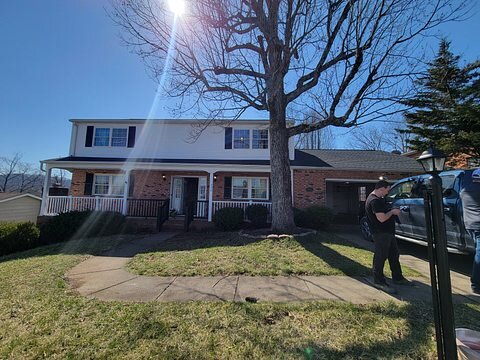
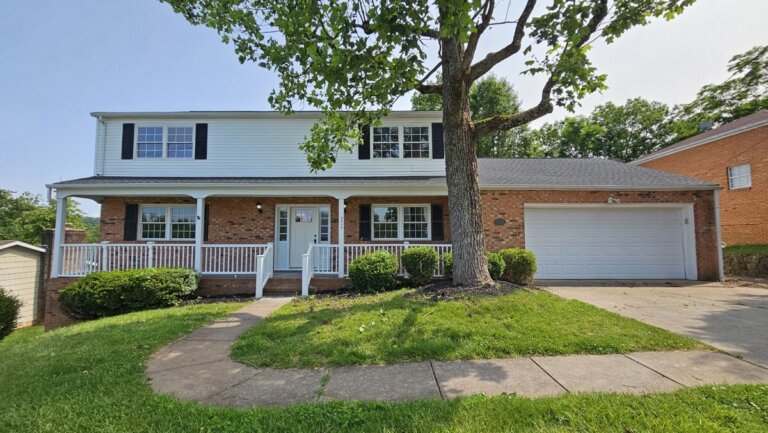
Use project evidence for the right purpose
AM Investments publishes a Cross Lanes purchase story with an original purchase and a later renovation and resale shown as separate transactions. The agreement was signed January 29, 2025, and the purchase completed March 7, 2025. The later resale followed the project. Those dates let a reader examine a specific example; they are not a promise that another property will follow the same schedule.
When reviewing a different buyer’s portfolio, ask similar questions. Does the page identify the place and describe which role the business had? Do the photos represent that project? Does a testimonial describe a seller experience or merely an acquaintance’s impression? Different kinds of evidence can be useful, but they answer different questions. Avoid treating a photo collection as proof of every claim made in an offer.
Discuss changes before signing
Selling your house directly involves both price and responsibility. If you ask to retain belongings, move later, or limit visits, request terms that address those needs. Ask how an inspection request or proposed extension would be handled. Have an independent adviser explain unfamiliar assignment, cancellation, deposit, or possession language. Keep the complete agreement together so a reassuring sentence does not distract from another condition.
Two questions before you sign
What is written?: Read conditions, costs and deadlines.
What is unresolved?: Record open questions and who will answer.
Questions sellers often ask
Should I decide during the first visit?
Use the first visit to exchange information and identify questions. An inquiry is not a commitment. Before accepting a proposal, make sure you understand the written terms, existing obligations and practical consequences for your move. If a genuine external deadline applies, consult the appropriate professional promptly rather than interpreting pressure as evidence of quality.
Can the buyer explain the closing figures?
A buyer can explain its proposed allocation of costs, but the closing professional should help resolve final transaction figures and payoff questions. Confirm which numbers are estimates and whether any item is already included elsewhere. A headline price does not show what remains after obligations are paid.
What if I prefer a listing after comparing?
Compare the options before committing, and review any agreement you have already signed. A listing can provide exposure to competing buyers, while a direct purchase can provide another way to discuss the house in its current condition. Choose using the evidence and responsibilities that matter to you, rather than assuming one route is right for every homeowner.
A simple way to compare answers from different buyers
Use a dated question log when selling your house directly. Put the same questions to each buyer: who is purchasing, what evidence supports funding, what review remains, and which terms affect your move. Record the answer in the buyer’s words without turning an estimate into a guarantee. If a person refers to an attachment or later approval, keep that item on the unresolved list until you have it.
Then compare the written proposal with the conversation. If you were told that contents could remain, identify where the agreement says so. If a date was described as flexible, ask which dates can change and what must happen first. A mismatch does not automatically establish misconduct, but it is a reason to obtain a clear answer before relying on the statement.
Selling your house directly also means deciding what evidence you need before granting access or making plans. You can ask which representatives will visit, what they will review, and how the visit relates to the purchase conditions. Ask the closing professional about final payment and signing arrangements through verified contact details. Keep your personal financial information separate from the basic property summary.
Finally, share the comparison with any co-owner or adviser who needs to participate. The purpose is not to accumulate the most impressive promises. It is to understand one concrete agreement, the tasks needed to complete it, and the questions that still require an answer. A documented choice is easier to review than a memory of several reassuring calls.
Bring the current offer, your question log and any written responses to an independent review. Mark unanswered items clearly. Ask the reviewer to explain conflicting terms before you rely on a promised date or responsibility.
Compare a direct purchase offer
Tell AM Investments about the property below, or call 304-250-9336. There is no obligation to sell. We are the prospective buyer when discussing our offer; compare the written terms with your other options.
Privacy policy · Meet Steve and Andrew
