
Dated design elements can affect presentation, but a house can look dated without needing a complete makeover before it is sold. If you are selling in Charleston, WV, separate personal style from condition, then compare the cost and effort of updates with selling the house as it stands. Evaluate design elements within the full selling plan. Buyer preferences vary; no finish is a problem for every buyer.
Appearance, condition, and the selling plan
- Style: what a buyer might prefer to change.
- Condition: what needs evaluation or documented repair.
- Budget: what you can reasonably spend before selling.
1. Wallpaper and older paint colors
Bold patterns and older colors may influence how a room looks in photos or during a showing. That does not mean every wall must be stripped or repainted. If you are considering listing, ask an agent which changes would matter for your property and price range. Get a written estimate before committing to a larger project.
2. Older or worn flooring
Consider the flooring’s condition separately from its style. Note stains, wear, damage or uneven areas and share what you know with a prospective buyer. Compare cleaning, repair and replacement options rather than assuming new flooring is required throughout the house. A cosmetic update and an unresolved condition problem can involve different decisions.
3. Textured ceilings
A textured ceiling is a design feature to discuss, not an automatic reason to start removal work. Describe its condition and any known concerns. Ask appropriate professionals about the proposed work and materials before deciding on changes, and compare that project with the option of selling in the current condition.
4. Wood paneling and darker rooms
Paneling can be part of a home’s character, and preferences differ. Think about how each room is presented and whether a proposed change is mainly cosmetic. Avoid starting a whole-room renovation solely because a finish looks older. Consider the estimated expense, time and uncertainty of recovering that expense in a sale.
5. Older fixtures and hardware
A working fixture’s appearance is different from an item that is broken or needs professional attention. Make a list of what works, what does not and what you are unsure about. Small presentation changes may be worth discussing for a listing, but replacing every fixture is not a prerequisite to asking AM Investments about a possible purchase.
A local project example: Glow Drive in Cross Lanes
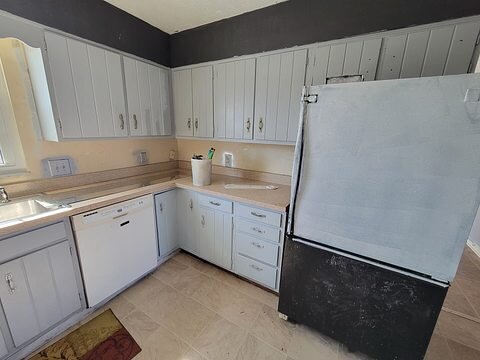
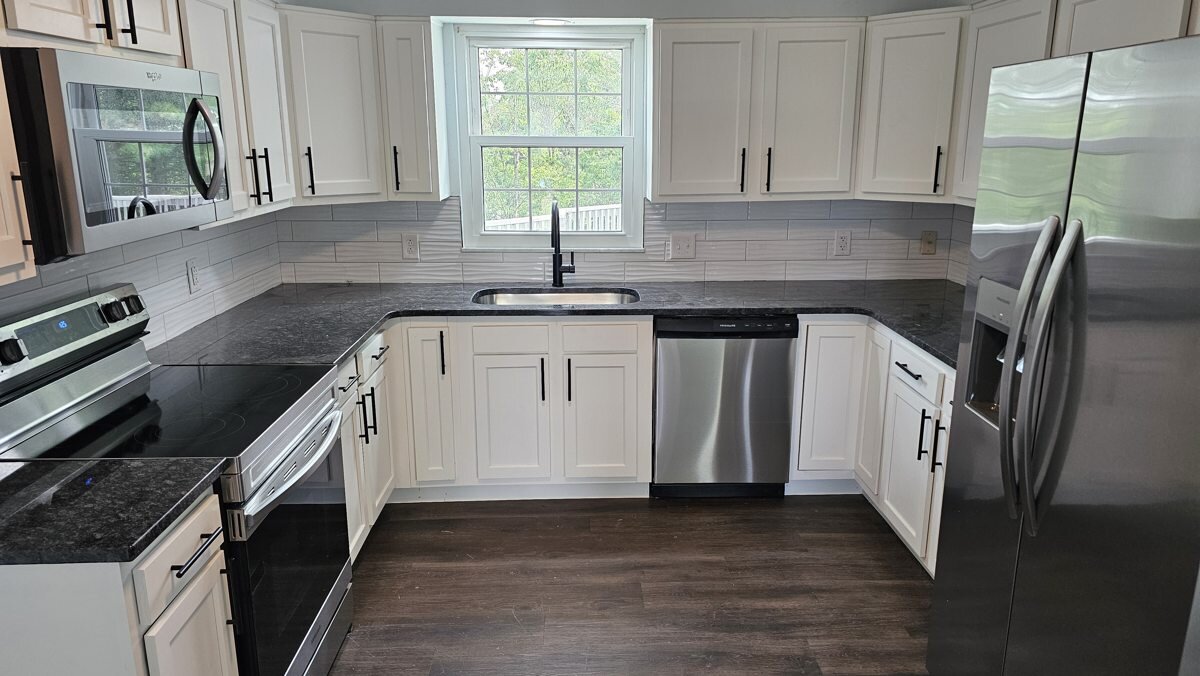
Our Glow Drive purchase story includes kitchen before-and-after photos from a house we bought in its existing condition. The seller’s as-is agreement and the renovation after our purchase were separate parts of that project. These photos show changes we made; they do not show repairs another seller must complete.
Compare design elements in a defined update plan
Choose one proposed change and write down its full scope. Include preparation, materials, labor, disposal, scheduling and any additional professional evaluation needed. Ask how long the room would be unavailable and whether other work depends on it. Compare that complete plan with selling in the existing condition. Avoid adding several optional projects while still using an estimate for only the first one.
A useful discussion with an agent or prospective buyer separates an appearance preference from a repair concern. For example, older cabinet doors and a nonworking sink are different questions. Record each separately and ask what the proposed purchase assumes. This example is hypothetical; it is not a diagnosis of the Glow Drive kitchen or a statement about what another owner must replace.
Questions before approving cosmetic work
- Which specific buyer or selling route is this work intended to support?
- What is included in the written estimate?
- What additional condition questions remain?
- How will cost and delay affect your estimated proceeds?
Our as-is guide for dated design elements and repairs explains how to frame the current-condition conversation. Review photos as project illustrations rather than proof of structural condition or guaranteed resale value.
Design elements: decide before spending on updates
- List cosmetic preferences separately from known condition concerns.
- Write down work already started and any estimates or records you have.
- Ask which updates support a realistic listing plan for your house.
- Compare those expenses and the time involved with an actual as-is offer.
- Confirm any repair, cleanout and access responsibilities in the written agreement.
Read our guide to selling a house as-is in Charleston, WV and use the comparison for design elements and selling options to organize the numbers. We review each property individually; an inquiry is not a guarantee that we will purchase it.
Talk with AM Investments before starting another project
Tell us about the property, its current condition and the updates you are considering. Learn how our buying process works, share the details below, or call 304-250-9336.
