
Updated October 15, 2026 · By Andrew McDavid, AM Investments
You can explore selling before taking on repairs or a complete cleanout.
Inheriting a Charleston house can leave you with decisions about ownership, belongings, expenses and what comes next. This guide explains how to organize those questions, compare keeping the house with selling, and discuss a possible as-is purchase with AM Investments.
Start with the property’s current condition and your priorities. An inquiry does not commit you to selling. Call 304-250-9336 or use the form below.
First, confirm who can make decisions about the house
Gather the deed, any will or trust documents, available estate paperwork and contact details for the people involved. Ask an estate attorney and the closing professional to review who owns the property, who has authority to sign, and what must happen before a sale can close.
West Virginia Code §44-8-1 addresses an executor’s power to sell certain real estate under a will. The will and the property’s ownership matter; one blanket rule about court approval does not describe every sale. Read the statute and ask an attorney how it applies to your situation.
For a Charleston estate being administered in Kanawha County, the county’s Fiduciary & Probate Department provides estate-administration information. Confirm the appropriate county and requirements rather than assuming the house’s mailing address settles every question.
If there are several heirs or owners
Discuss each person’s goals before arranging repairs or accepting terms. Decide who will collect information, communicate with buyers and keep everyone informed. If people disagree, ask the estate attorney about the available options. A house buyer’s offer does not resolve an ownership dispute or replace the authority needed to sell.
Should you keep, rent or sell an inherited house?
Begin with what you want from the property and what you can realistically manage. Compare the work and likely expenses of each route, not just an estimated sale price or monthly rent.
- Keep it for personal use: Consider whether the location, condition and ongoing costs fit your plans. Include repairs and the needs of anyone already living there.
- Rent it: Estimate maintenance, vacancy, insurance, taxes and management costs alongside possible rent. Identify who would arrange repairs and manage the tenancy.
- List it for sale: Ask an agent about selling in current condition as well as preparing or renovating first. Compare suggested work, market exposure, selling expenses and timing.
- Consider a direct as-is offer: Ask a buyer to explain the proposed price, costs, contingencies, cleanup responsibilities and possession date. A direct offer may be lower than a successful market listing.
For a closer comparison, see direct sale versus listing and our keep-or-sell decision checklist. You can compare alternatives before choosing.
Tell us about the inherited property
Share the address, current condition and who is involved in the decision. An email lets us follow up; phone is optional. We may need photos, authorized access or additional information before discussing an offer.
Selling an inherited house without repairs or a full cleanout
You can ask AM Investments about a possible purchase while the house still needs work or contains belongings. Describe observed problems, unfinished projects and areas that are difficult to access. Existing photos or records can help; you do not need to invent a repair budget or finish a renovation for an inquiry.
Set aside family keepsakes, personal documents and items you intend to keep before discussing what might remain. Ask who is responsible for removal and cleanup, including garages and storage spaces. Any agreed arrangements need to be included in the written purchase terms.
Read our guide to selling as-is without repairs for more about condition, belongings and comparing offers. An as-is conversation still involves evaluation and agreed responsibilities.
Managing the house from out of town
Tell us who can provide authorized access and whether the property is occupied. Discuss how other owners or representatives will review information and participate. Raise travel limits and preferred timing early; the closing professional can explain the signing arrangements available for the transaction.
AM Investments’ experience with inherited St. Albans houses
Our St. Albans page describes past inherited-property purchases on Cleveland Avenue and Woodside Drive, originally documented on this site in 2015. The Cleveland Avenue purchase involved out-of-town heirs and a house needing repairs. The Woodside Drive owner chose to sell an inherited family home as-is.
These past purchases illustrate why coordinating people, access and condition matters. They are not a promised price or timeline for another estate. The Lee Street renovation photos on that city page are a separate project.
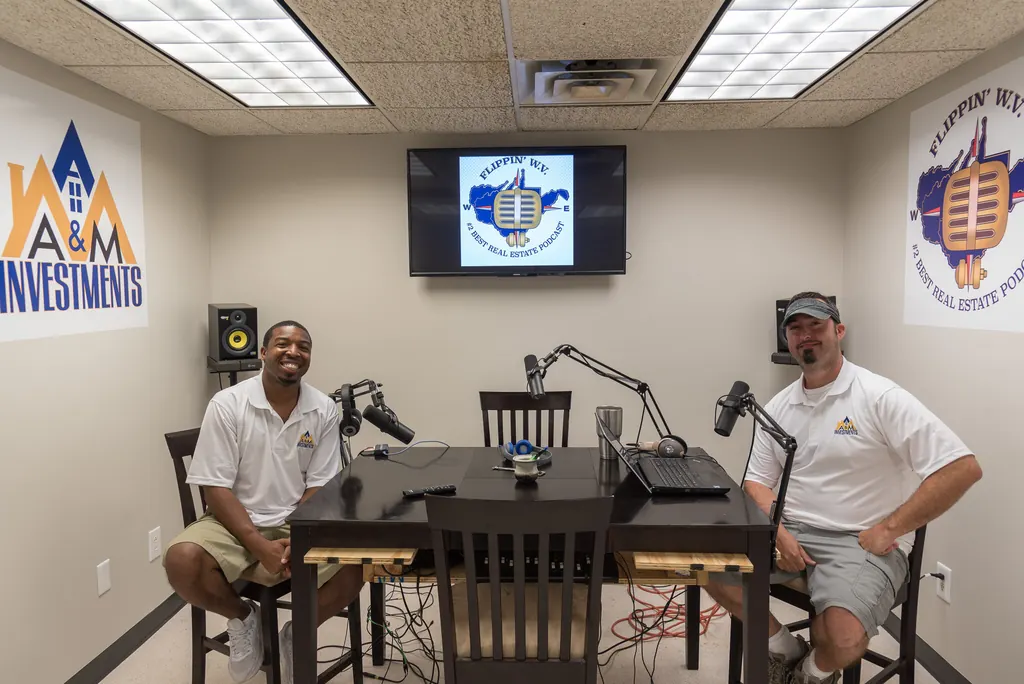
Meet our owners and read seller feedback. Ask us to explain the evaluation and proposed terms for your own property.
Questions to take to your tax professional
The IRS explains that inherited-property basis is generally fair market value at the date of death, with an alternate valuation available in certain estate-tax situations. Selling above basis can create taxable gain. Ask a qualified tax professional to confirm the applicable basis, adjustments and reporting for your sale; inheriting a house does not by itself make a later sale tax-free.
See the IRS inherited-property sale FAQ and our tax-preparation questions for inherited-house sellers. Keep available valuation records, expense records and closing documents.
What happens if you contact AM Investments?
- Share the property and your plans. Explain the condition, occupancy, ownership questions and timing you have in mind.
- Review the house and any proposal. We may request photos, a visit or more information. If a purchase fits, review the proposed price, costs and conditions.
- Decide whether to proceed. You can ask questions, compare alternatives or decline. An accepted purchase depends on the written agreement and completion of necessary title and closing work.
Read our buying process. Tell us early about unresolved estate matters; a direct purchase does not bypass them.
Inherited-house selling questions
Can I ask about an offer before the estate is settled?
You can start a conversation and explain what is pending. Whether a sale can proceed, who can sign and what must happen before closing require review by the appropriate legal and closing professionals.
Do I have to repair or empty the house first?
You can inquire about its current condition. Describe needed work and what you would like to leave. The agreement must spell out any accepted belongings or cleanup arrangements.
What if another heir wants to keep it?
Discuss everyone’s goals and ask the estate attorney to clarify ownership, authority and options. Do not assume one person’s inquiry means everyone has agreed to sell.
Can you work with someone who lives elsewhere?
Tell us how access and communication can be arranged. We can discuss the information needed to evaluate the house and involve the authorized people.
How long does selling an inherited house take?
Timing depends on the property, authority to sell, title, access and agreed closing requirements. Share your preferred date so we can discuss what may be realistic; one timeline does not apply to every house.
Discuss your inherited Charleston-area house
Call 304-250-9336 or use the form below. Tell us what you know and which questions are still open. You decide whether any proposed offer fits your plans.
This guide provides general selling information. AM Investments is a potential buyer, not your legal or tax adviser. Consult qualified professionals about the estate, ownership and tax treatment of your transaction. Sources reviewed October 15, 2026.
